
This post contains affiliate links. Please read our disclosure policy.
Boldly seasoned and deliciously tender, this marinated venison backstrap is a truly special entrée! The meat is marinated for several hours in a savory, tangy marinade, then seared and cooked to perfection. We love it for a special date night meal!
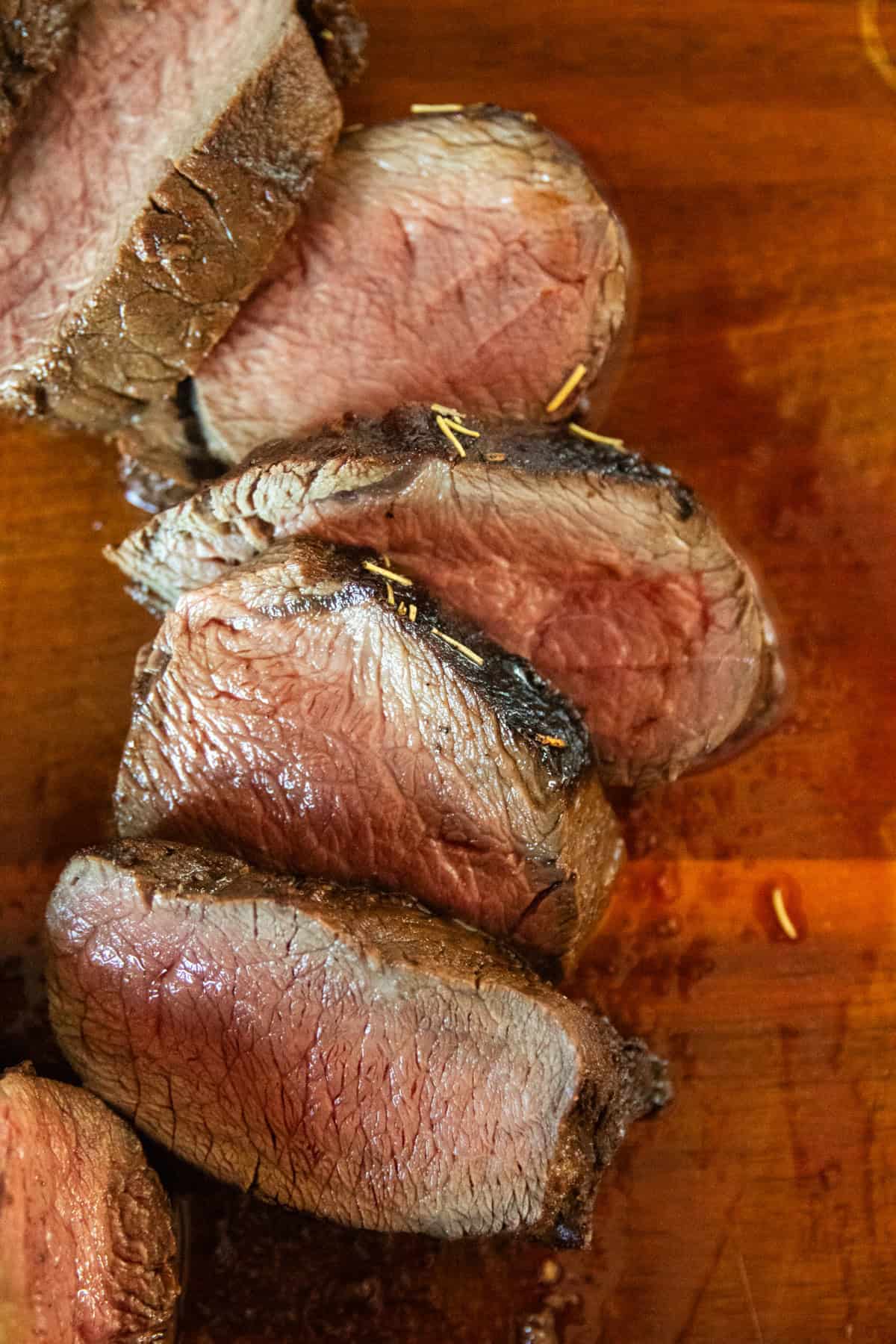
It’s no wonder why venison backstrap is considered the best cut of the deer. The tender meat melts in your mouth, tastes incredible, and is quick to cook!
When I was new to cooking with venison, I felt a lot of pressure when it was time to make the backstrap. I wanted it to be perfect, so I didn’t “waste” this prized cut!
With many years of practice, I have a few recipes up my sleeve, so my venison backstrap is always a hit. I’ve made stuffed venison backstrap and dry-rubbed backstrap, but my current favorite is this marinated backstrap!
Marinating meat is (almost) always a good idea. It adds so much flavor and tenderizes the meat, so really, what’s not to love?
This marinade is full of savory flavors and punchy herbs and spices, which bring out all of the best in the venison.
It’s such a great date night meal served up with some Dutch oven mashed potatoes and boiled asparagus!
Table of Contents
- Why You'll Love This Recipe
- Ingredients
- How to Make Marinated Venison Backstrap
- Tips + Notes
- Why Marinate Venison Backstrap?
- How Long to Marinate Venison
- Best Way to Cook Venison Backstrap
- What Temperature to Cook Venison To
- How to Slice Venison Backstrap
- Recipe FAQs
- Related Recipes
- Marinated Venison Backstrap
Why You’ll Love This Recipe
- Easy to make: Steak is such a funny dish to me, because it’s incredibly delicious and ideal for special occasions, but it’s one of the easiest proteins to make! This backstrap is no exception as it’s ready in under 20 minutes.
- Marinated: Marinating backstrap has so many benefits to the flavor and texture of the meat. You are going to love this savory, bold marinade on your venison steak!
- Tender: Backstrap is wonderfully tender and juicy when it’s cooked properly — you can learn the perfect way to prepare it in this recipe!
Ingredients
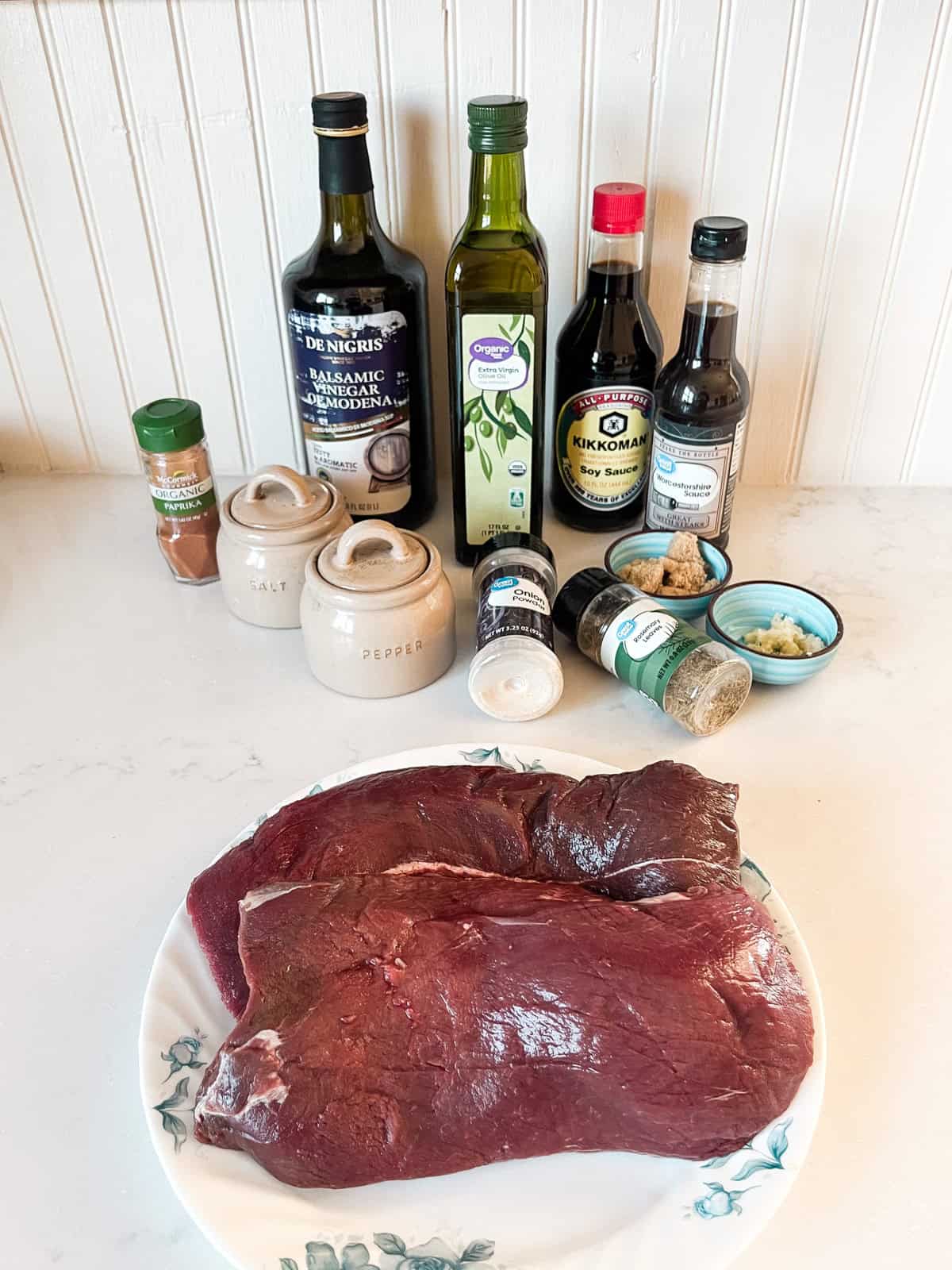
- Venison backstrap: A prized cut of meat that runs along the deer’s spine. It’s very tender, but also very lean, so it’s easy to overcook.
- Garlic: Fresh garlic makes all the difference! Don’t substitute jarred garlic.
- Balsamic vinegar: Adds a tangy and complex acidity to the marinade! You can use additional soy sauce instead, but I love the flavor balsamic vinegar adds.
Find a full list of ingredients with measurements below in the recipe card!
How to Make Marinated Venison Backstrap
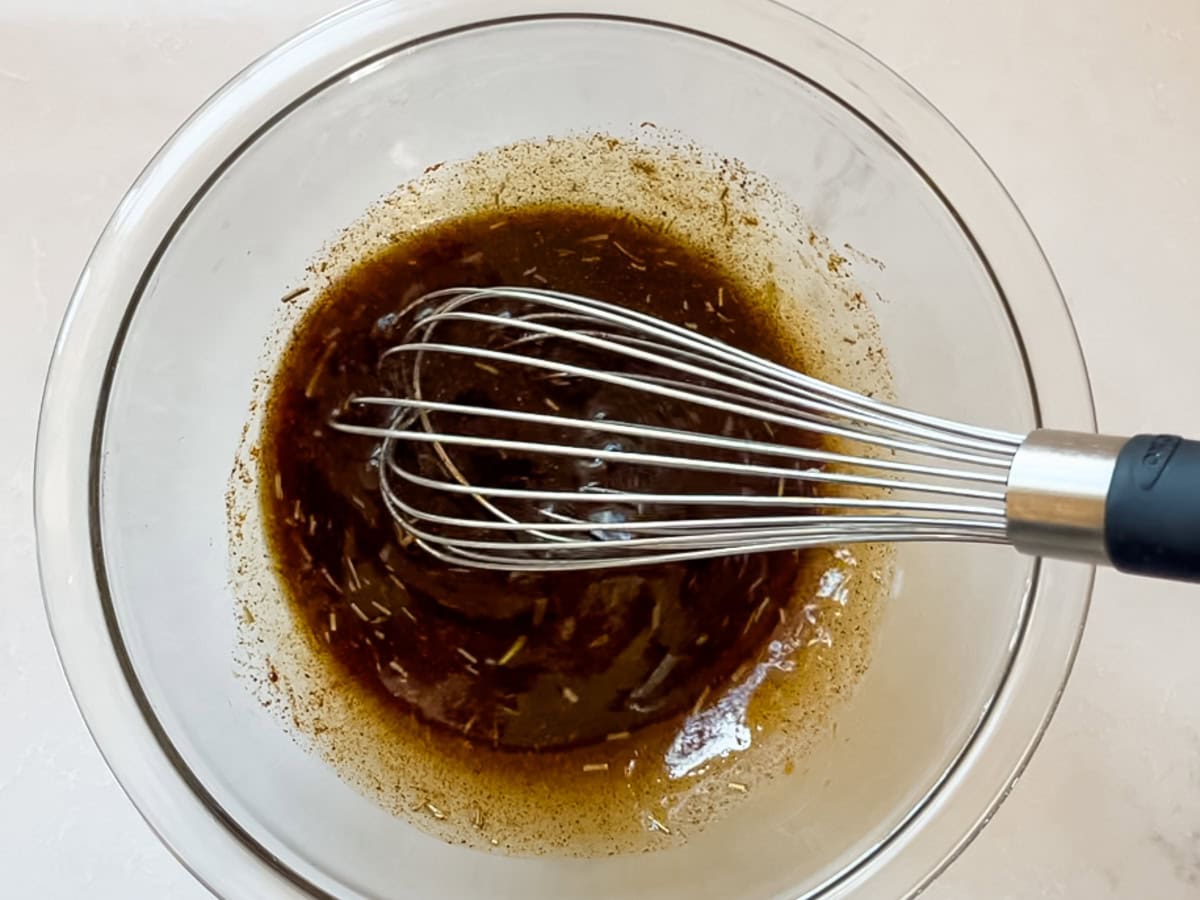
Step 1. Prepare the marinade
In a bowl, whisk together the olive oil, soy sauce, Worcestershire sauce, balsamic vinegar, brown sugar, garlic, black pepper, salt, onion powder, smoked paprika, and rosemary until the sugar is dissolved.
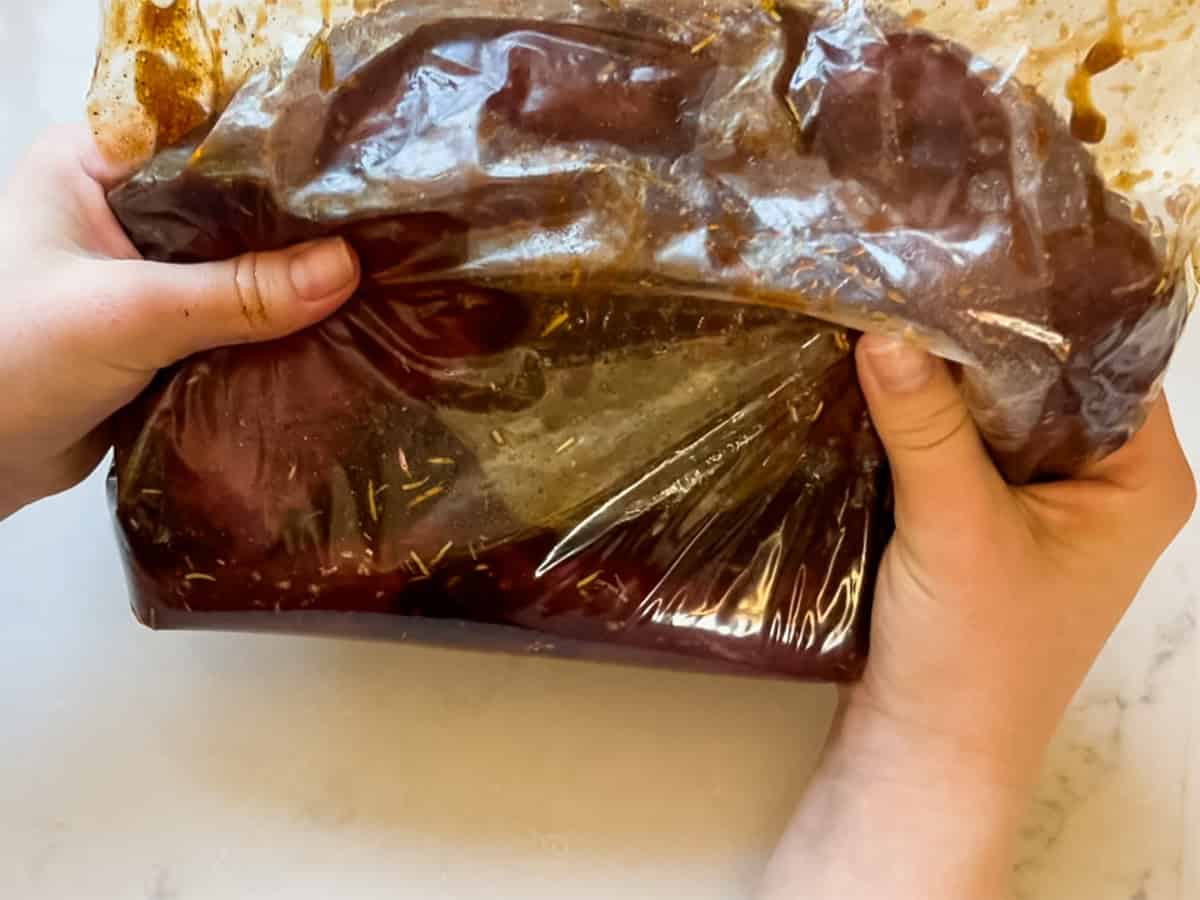
Step 2. Marinate the venison
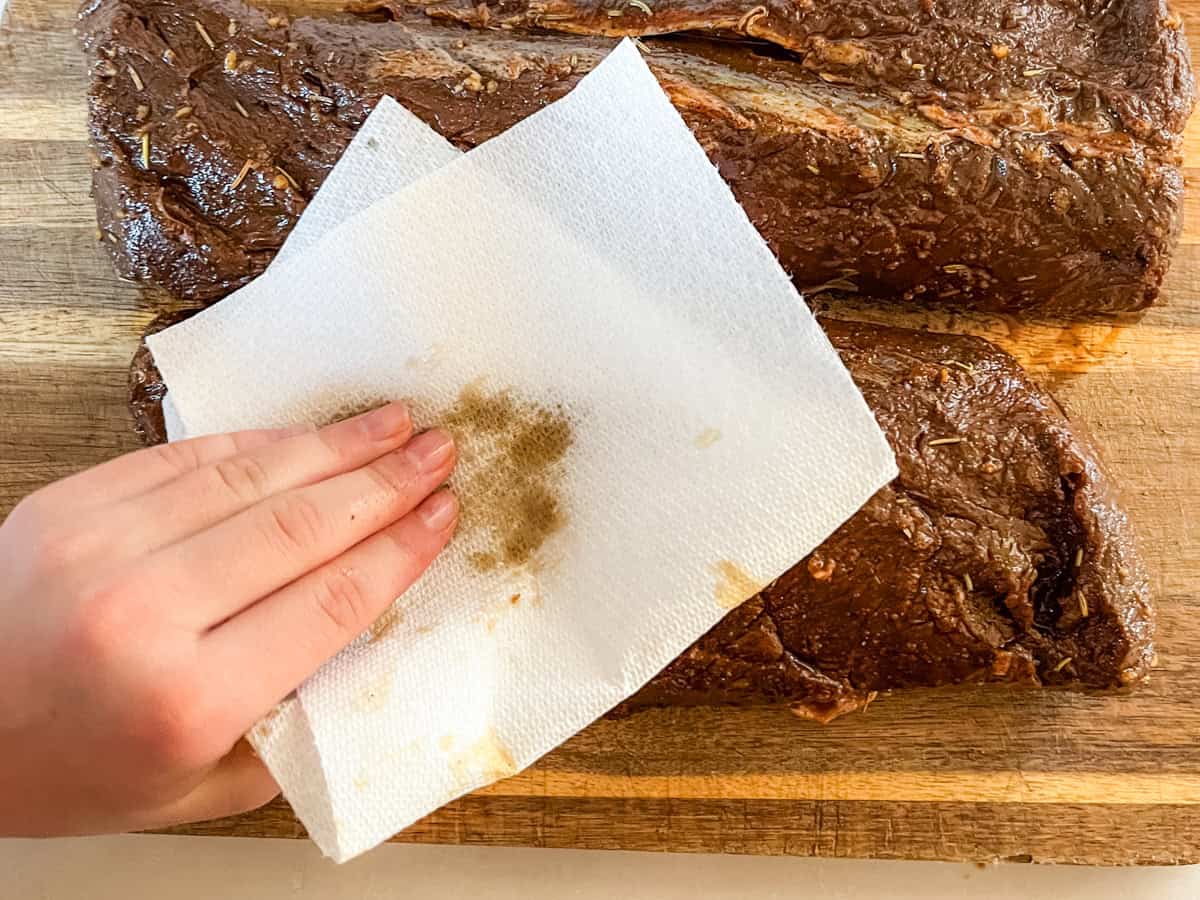
Pat the venison backstrap dry with paper towels. Place it into the marinade and coat well on all sides. If they fit, you can use your bowl, or just transfer the marinade to a zippered bag.
Seal and refrigerate for 4 to 12 hours.
(Do not exceed 24 hours — the acid will begin to change the texture.)
Remove the meat from the refrigerator about 30 minutes before cooking so it can come closer to room temperature.
Step 3. Prepare to cook the backstrap
Preheat oven to 375°F
Heat a cast iron skillet over medium-high heat until very hot.
Remove the venison from the marinade and lightly pat dry. (Do not rinse.)
Step 4. Cook the backstrap
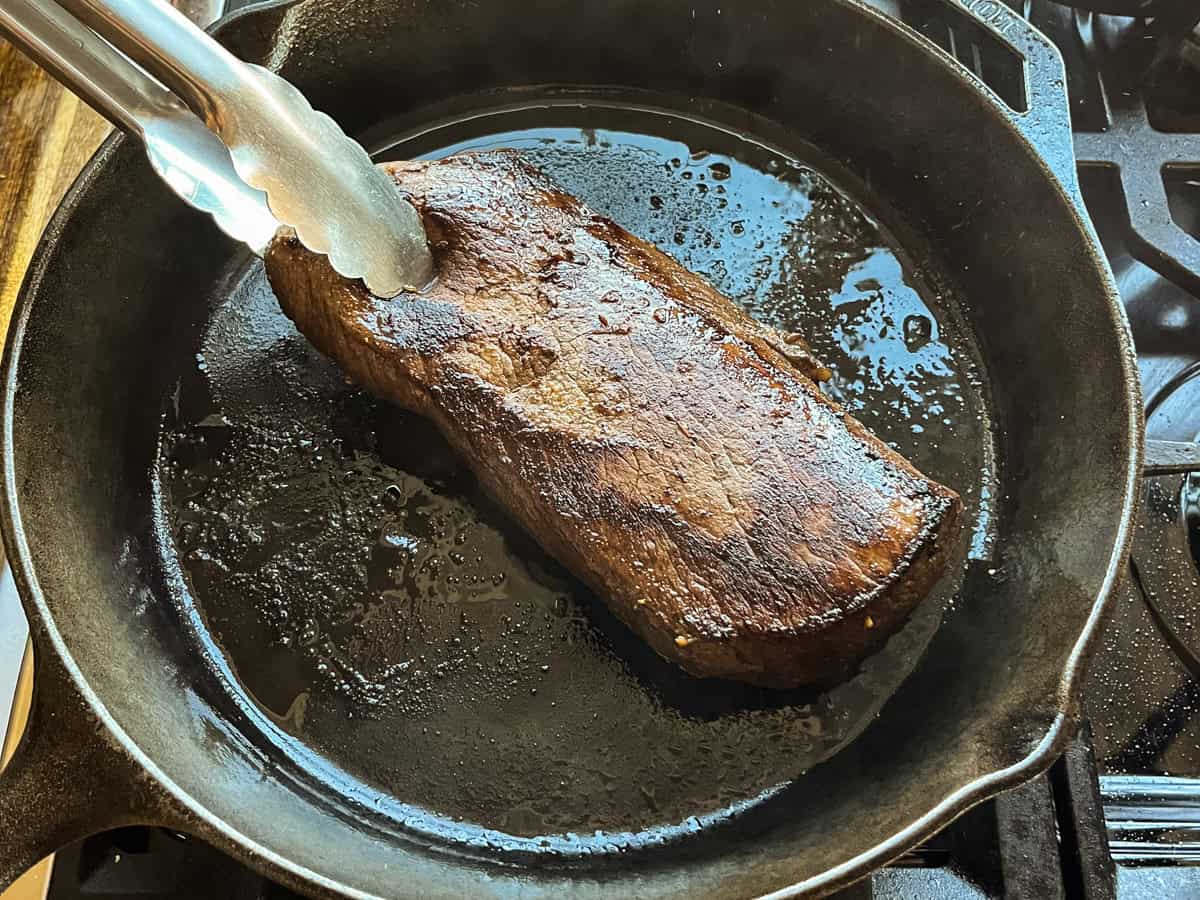
Add 1 tablespoon of oil to the skillet, then place the backstrap in the pan.
Sear for about 1 minute per side, turning to brown all sides evenly. After you rotate to the final side, transfer to the oven on the center rack to bake for 5-15 minutes. *See notes below!
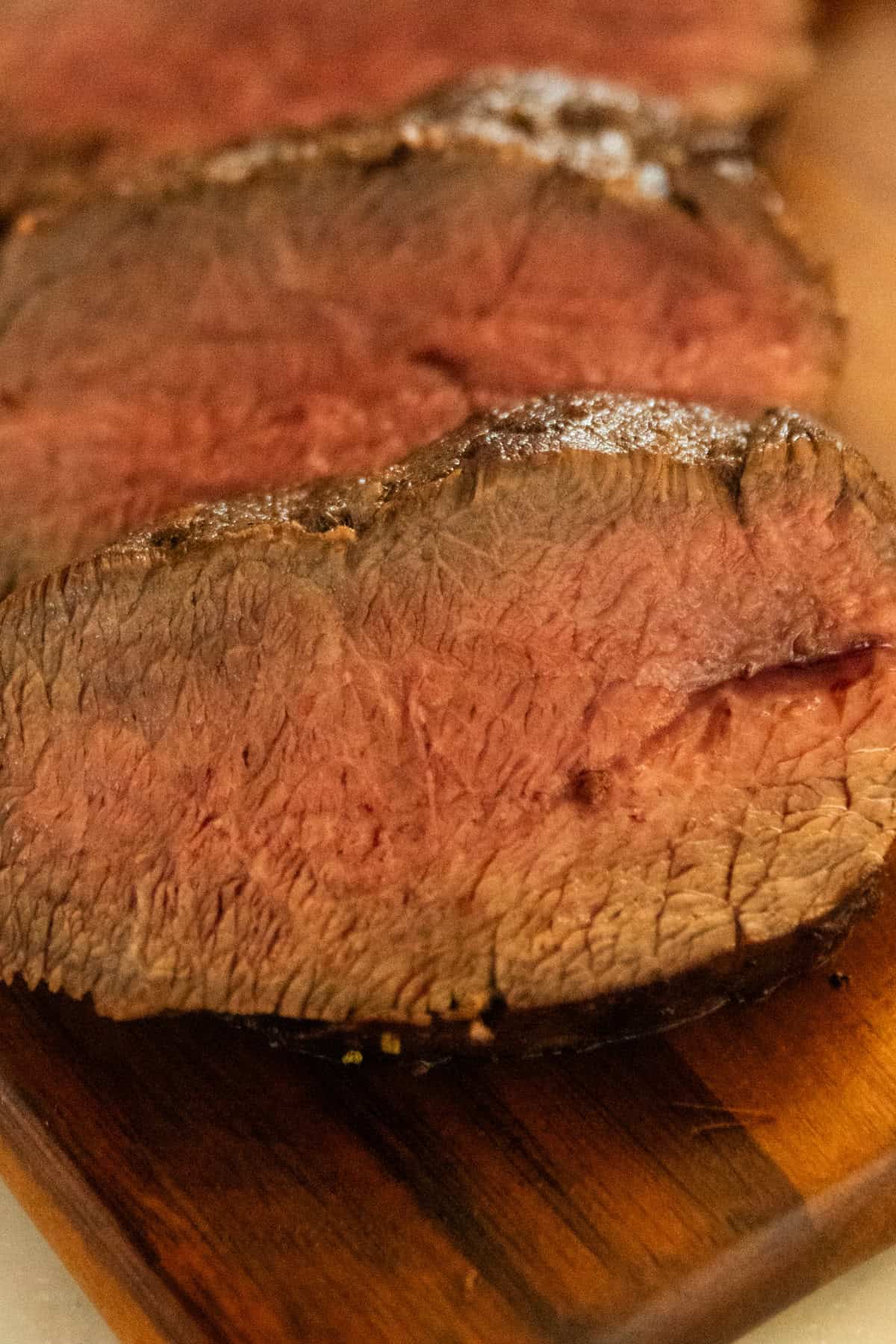
Cook until the internal temperature reaches 125–130°F for medium rare (see notes below).
Step 5. Rest the meat
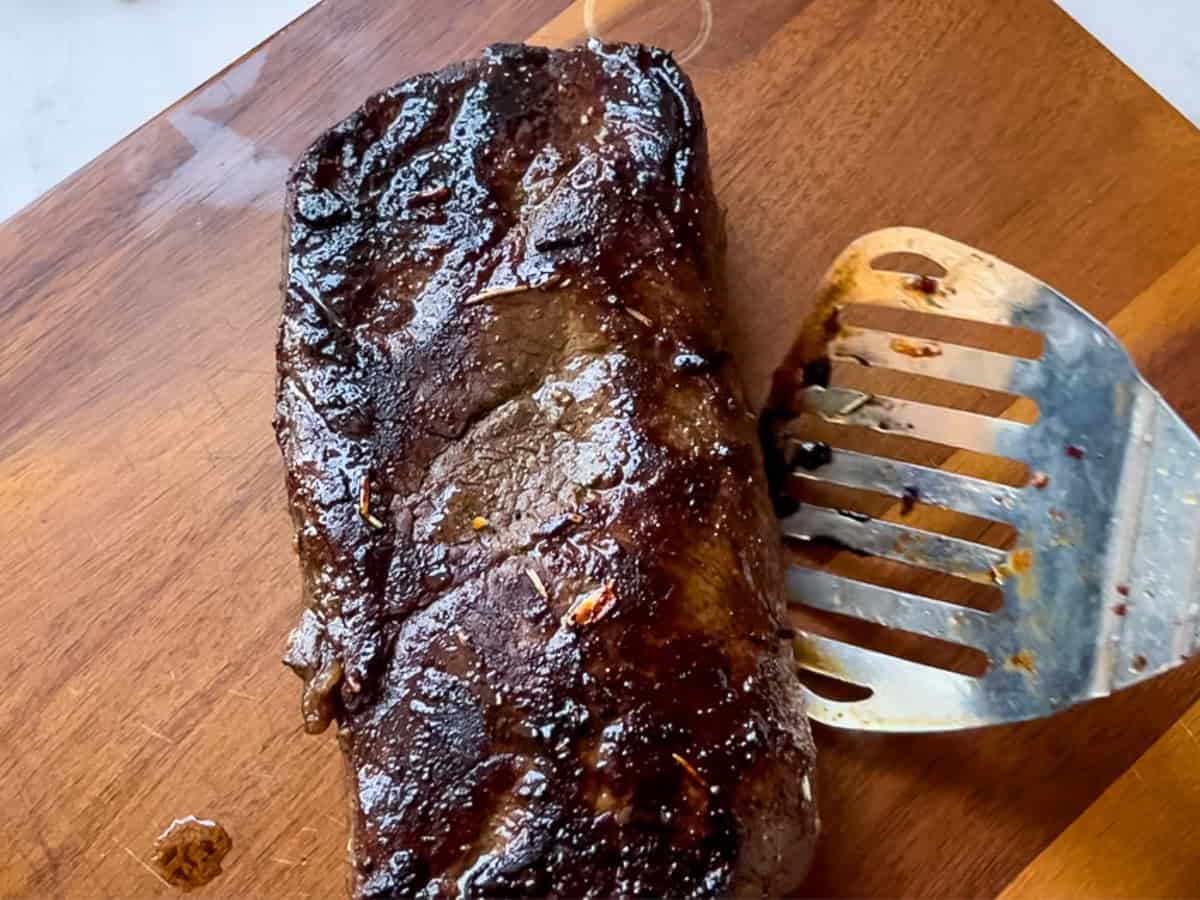
Transfer to a cutting board and tent loosely with foil.
Let rest 10 minutes before slicing.
Step 6. Slice and serve
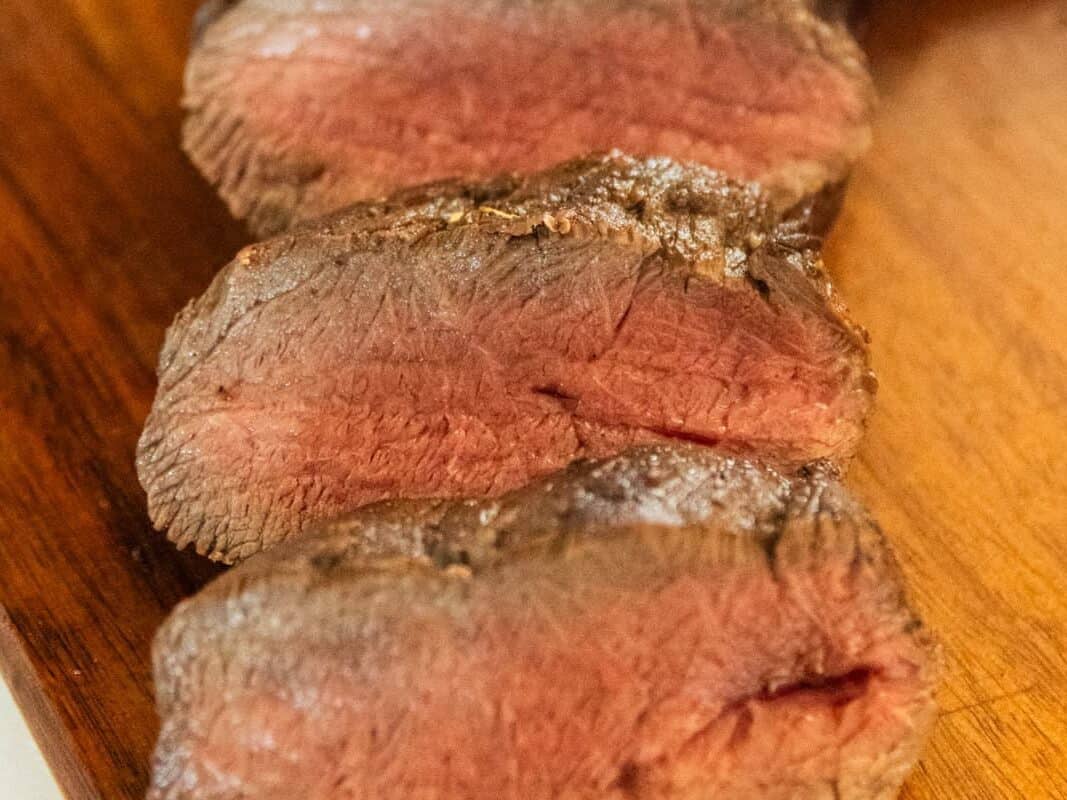
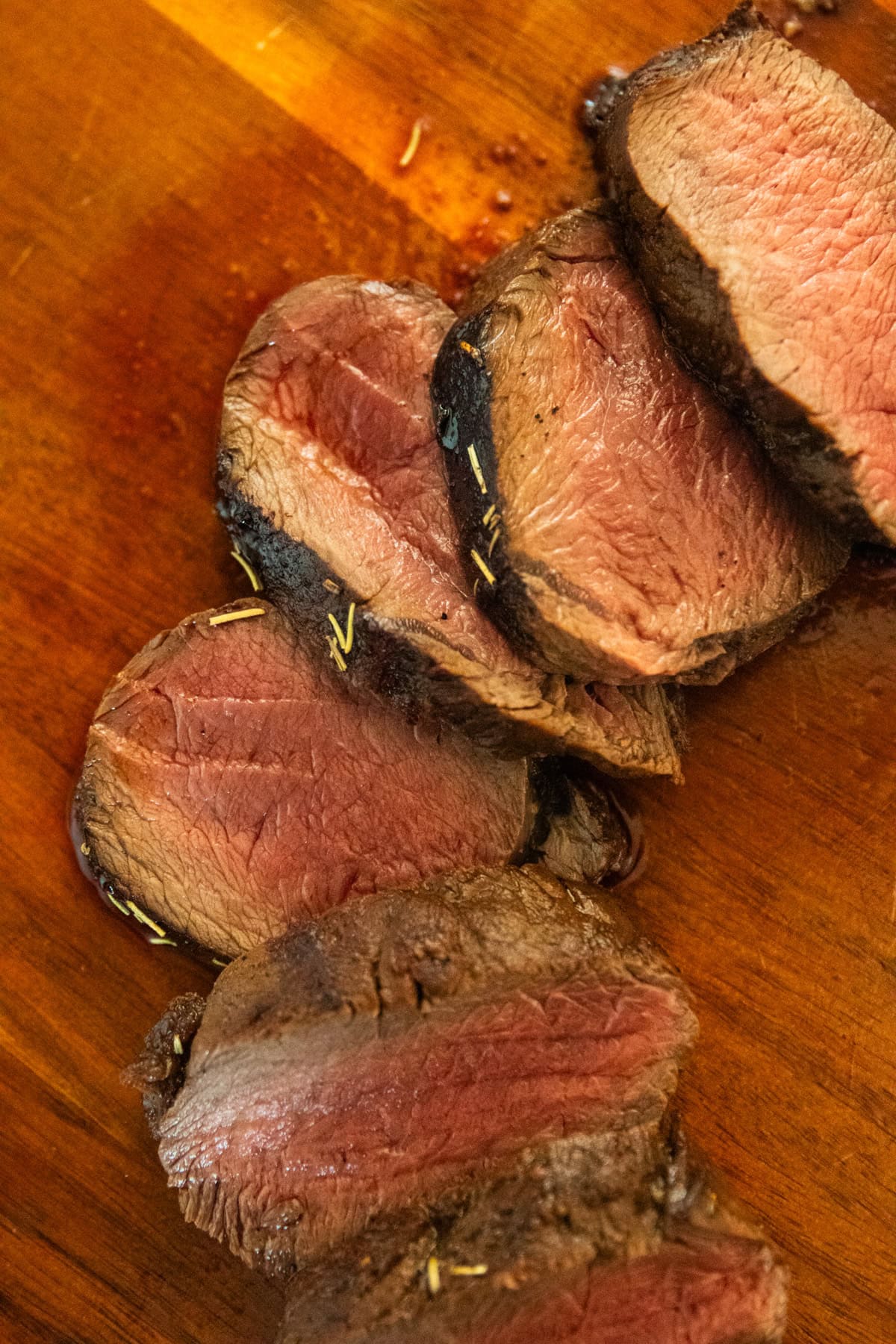
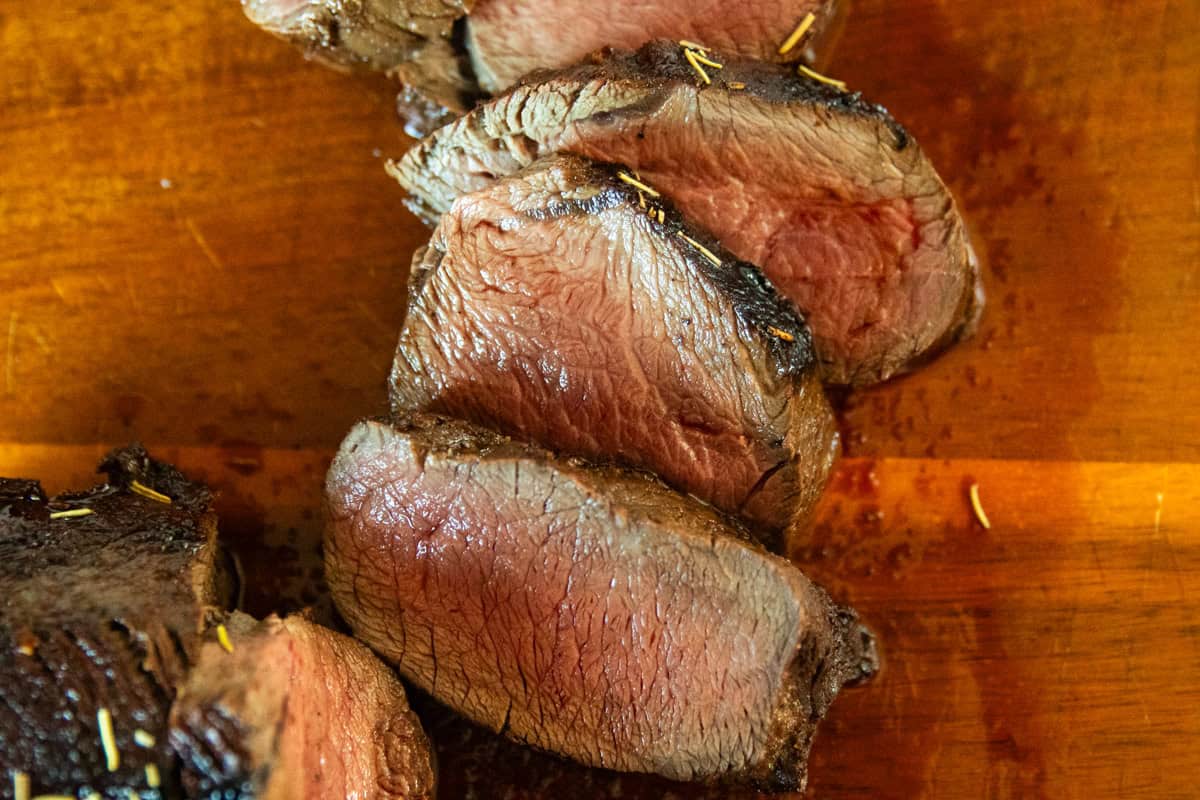
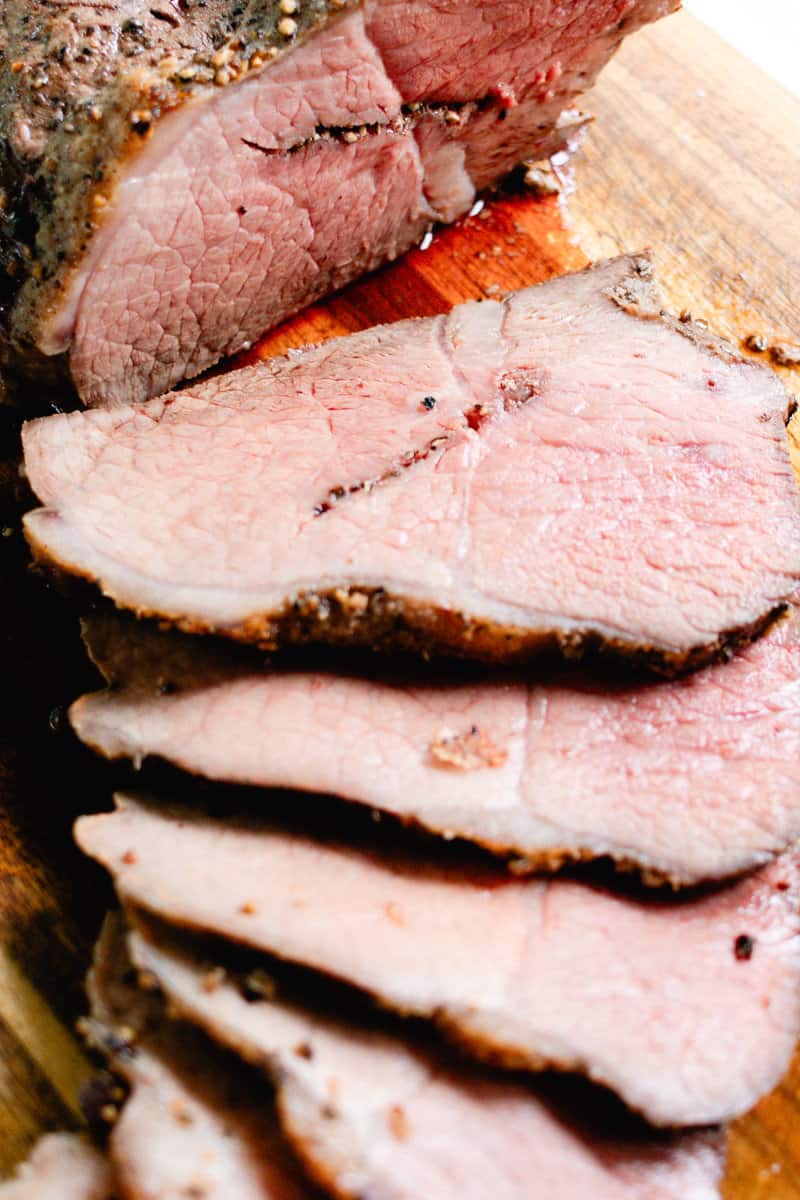
Slice the venison against the grain into ½ inch medallions and serve immediately.
Tips + Notes
- You can leave out the balsamic vinegar and replace it with an equal amount of soy sauce!
- Backstraps can vary greatly in size. For a 3″ thick backstrap, it takes about 9 minutes in the oven to reach medium rare. Because of this, I highly, highly recommend using an instant digital thermometer, and checking the temp right before it goes in the oven, and then every couple of minutes!
- While many people prefer their backstraps rare, foodsafety.gov recommends cooking venison to an internal temperature of 160°F.
- Don’t skip resting the meat! It’s essential to have juicy and flavorful backstrap.
Why Marinate Venison Backstrap?
Marinade serves a lot of purposes in a delicious venison backstrap recipe! Here are the benefits of marinating your meat:
- Adds moisture: The backstrap soaks up some of the moisture in the marinade and gets a nice coating of oil as it sits, leaving you with a juicier steak.
- Tenderize: The acid in the marinade (from the soy sauce and balsamic vinegar, in this case) helps to tenderize the meat.
- Flavor: Marinade seasons the meat with lots of delicious flavor and helps reduce gaminess, which can be important with venison.
How Long to Marinate Venison
It’s true that marinating meat takes some planning ahead, but when it’s venison backstrap, you want to pull out all the stops to make it the best meal ever!
You want to marinate your venison for 4-12 hours. The longer the better, as long as you don’t go too far past 12 hours. I prefer to get it marinating in the early morning and cook it up for dinner.
It’s very important not to marinate it too long, though. Anything over 24 hours will start to affect the texture of the meat.
Best Way to Cook Venison Backstrap
There are two main methods for cooking venison backstrap: grilling or pan-searing in cast iron.
Both options yield a delicious meat, but I prefer to use cast iron. I find that searing in cast iron gives the venison a nice crust. This is important because it adds flavor (from the golden-brown sear) and holds in moisture, leaving you with a juicier and more tender backstrap.
What Temperature to Cook Venison To
If you’re new to cooking venison backstrap, you may be wondering what internal temperature you should be aiming for. As with any steak, this is a matter of preference.
It’s important to note that foodsafety.gov recommends cooking venison to an internal temperature of 160°F to kill off any harmful bacteria that may be present.
That said, this temperature is considered well-done, and many people prefer some pink in their venison backstrap.
You can choose your desired doneness from the list below and use the associated temperature. An instant-read digital thermometer is what I recommend for testing the internal temperature of your meat.
- Rare — 120°-125°F
- Medium-rare — 125°-130°F
- Medium — 130°-140°F
- Medium-well — 140°-150°F
- Well-done — 150°-160°F+
How to Slice Venison Backstrap
You might notice this recipe, and many other steak recipes (like my venison fajitas), say to slice “against the grain” before serving it. You may be wondering why it’s so important.
The grain in meat refers to the direction that the muscle fibers are aligned. It’s important to cut through the grain, rather than with it, so the meat is more tender and much easier to chew.
In the case of backstrap, which has a long and narrow shape, the grain runs through the meat the long way. In order to cut backstrap against the grain, you will simply cut it across the narrow side into many small medallions.
Always cut after you let the meat rest, so all of that delicious juiciness isn’t lost when you slice it.
Recipe FAQs
This marinated venison backstrap tastes great with a variety of side dishes. Anything you’d typically eat with steak should pair beautifully with this main dish! I like to serve it with easy rice pilaf , freshly milled flour dinner rolls, and a vegetable, such as boiled zucchini or garlic parmesan brussel sprouts.
There are so many fun things you can do with leftover backstrap! Of course, you can just reheat it in a skillet and enjoy it the next day, but you can also repurpose it. Try making steak and eggs, using the backstrap in a venison quesadilla, or adding it to salads or sandwiches!
Allow the meat to cool and then it can be stored in an airtight container in the fridge for up to 4 days.
Related Recipes
- Venison Steak Recipe
- Pan-Seared Venison Medallions
- Garlic Butter Venison Sirloin
- Best Venison Tenderloin
- Dutch Oven Venison Roast | Sirloin Tip
If you tried this Marinated Venison Backstrap or any other recipe on my website, please leave a star rating and let me know how it went in the comments below. Thanks for visiting!
Marinated Venison Backstrap
Equipment
Ingredients
For the Marinade
- ½ cup olive oil plus more for cooking
- ¼ cup soy sauce
- 2 tablespoons Worcestershire sauce
- 2 tablespoons balsamic vinegar*
- 2 tablespoons brown sugar
- 4 cloves garlic minced
- 1 teaspoon black pepper
- 1 teaspoon kosher salt
- 1 teaspoon onion powder
- 1 teaspoon smoked paprika
- ½ teaspoon dried rosemary or thyme
Venison
- 1 to 2 pounds venison backstrap whole or halved to fit pan – I had big backstraps, and cut them into 8" pieces and used 2 pieces.
Instructions
- Prepare the marinadeIn a bowl, whisk together the olive oil, soy sauce, Worcestershire sauce, balsamic vinegar, brown sugar, garlic, black pepper, salt, onion powder, smoked paprika, and rosemary until the sugar is dissolved.
- Marinate the venisonPat the venison backstrap dry with paper towels. Place it into the marinade and coat well on all sides. If they fit, you can use your bowl, or just transfer the marinade to a zippered bag.Seal and refrigerate for 4 to 12 hours. (Do not exceed 24 hours — the acid will begin to change the texture.)Remove the meat from the refrigerator about 30 minutes before cooking so it can come closer to room temperature.
- Cook the backstrapPreheat oven to 375°FHeat a cast iron skillet over medium-high heat until very hot.Remove the venison from the marinade and lightly pat dry. (Do not rinse.)Add 1 tablespoon of oil to the skillet, then place the backstrap in the pan.Sear for about 1 minute per side, turning to brown all sides evenly. After you rotate to the final side, transfer to the oven on the center rack to bake for 5-15 minutes. *See notes below!Cook until the internal temperature reaches your desired doneness — I did 125–130°F for medium-rare (see notes below).
- Rest the meatTransfer to a cutting board and tent loosely with foil.Let rest 10 minutes before slicing.
- Slice and serveSlice the venison against the grain into ½ inch medallions and serve immediately.
Video
Notes
- Choose your doneness from the list below and cook your backstrap to the associated temperature:
- Rare — 120°-125°F
- Medium-rare — 125°-130°F
- Medium — 130°-140°F
- Medium-well — 140°-150°F
- Well-done — 150°-160°F+
- While many people prefer their backstraps rare, foodsafety.gov recommends cooking venison to an internal temperature of 160°F.
- You can leave out the balsamic vinegar and replace it with an equal amount of soy sauce!
- Backstraps can vary greatly in size. For a 3″ thick backstrap, it takes about 9 minutes in the oven to reach medium rare. Because of this, I highly, highly recommend using an instant digital thermometer, and checking the temp right before it goes in the oven, and then every couple of minutes!
- Don’t skip resting the meat! It’s essential to have juicy and flavorful backstrap.










I cannot tell you how happy to see this marinated backstrap recipe. I have made the dry rub one for years and have always wanted to try a marinade.
Yay, Let me know how it turns out.
I have made your dry rub backstrap more times than I can count. Looking forward to this marinated recipe!
Can’t wait to hear what you think.!