
This post contains affiliate links. Please read our disclosure policy.
Make your own homemade pasta with whole wheat flour! These from-scratch whole wheat noodles are delicious with your favorite pasta sauce or in a soup or stroganoff.

If you’ve made noodles before, I want to give you a heads-up: Whole wheat noodles can be a little trickier.
They can turn out amazing, but they do take a bit of patience. With a few tips I’ll share, you’ll be making some of the best whole wheat noodles to pair with your favorite pasta dishes.
I love making these for my one-pan chicken Alfredo recipe, at least when I have the time to make both the noodles and the dish! Haha! So, maybe not all the time, but definitely as often as I can.
Once you get the hang of them, I think you’ll see exactly why this recipe has become one of my favorites.

Table of Contents
Why You’ll Love This Recipe
- If you’ve never had homemade pasta before, you are in for a treat! It has a flavor and texture that are so much better than packaged dry pasta. It’s well worth the effort!
- If you prefer whole wheat recipes and milling your own flour, pasta doesn’t need to be the exception! I experimented a lot to find the very best way to make homemade pasta with whole wheat flour, and this recipe is the result.
- This can be made with King Arthur whole wheat flour (or similar) or freshly milled hard white wheat flour.
- Many home cooks find pasta making relaxing and therapeutic. Once you get the hang of it, you’ll love the process!
- What’s not to love about pasta? You can smother it in sauce, add it to a soup — it makes any meal simply delicious.
Ingredients and Equipment
- Whole wheat flour: You can use store-bought whole wheat flour or freshly mill your own. (Learn how to mill your own flour in my tutorial.)
- Sea salt: You can use whichever salt you typically like to cook or bake with.
- Eggs: We are making an egg noodle, so the moisture comes from eggs instead of water. I find the flavor and texture better in egg noodles, especially when using whole wheat flour.
- Pasta maker: This is optional equipment, but it does make the process a lot easier. Pasta makers help you gradually roll the dough out into thin sheets and easily cut the sheets into noodles. I use a KitchenAid attachment, but you can also use a hand-crank pasta maker that is more budget-friendly. If you’d prefer to do it without a machine, you’ll just need a rolling pin and a knife.
- Drying rack: This is also optional, but you will need a way to dry the pasta if you want to make it shelf-stable. Rather than a dedicated drying rack, you can use a broom handle propped up on two chairs, a curtain rod, or any similar setup you can come up with.
How to Make Whole Wheat Noodles

Step 1: On a clean countertop, combine the flour and sea salt. Make a well in the center.

Step 2: Crack the eggs into the middle of the well. Lightly whisk the eggs with a fork, then use your hands to slowly work the flour into the eggs from the edges.

Step 3: Keep mixing and kneading until a dough starts to form.

Tip: If it feels too sticky, add a little more flour as needed until the dough is soft and smooth.

Step 4: Shape the dough into a flattened round shape, cover it with a towel or bowl, and let it rest for 15–20 minutes.

Step 5: Once rested, divide the dough into about 8 pieces. Flatten each one with your hands into a rough rectangle—it should be thin enough to fit through the pasta roller.

Step 6: Feed the dough through the pasta roller, starting with the widest setting. Continue reducing the setting one step at a time until you reach your desired noodle thickness. If the dough at any time starts to feel tacky, you can lightly brush it with flour.

Step 7: Attach your pasta cutter (I used the fettuccine attachment) and run the sheets through to cut the noodles.

Step 8: Hang the noodles to dry.

Step 9: Boil the noodles until tender, then serve with your favorite pasta sauce.
Expert Tips
- This recipe definitely takes a little patience, especially if you’re milling your own grains. The dough has a tendency to tear or bunch up in the pasta roller if it’s too sticky, so make sure it’s well-floured and not tacky before you start.
- I’ve found that running the dough through a few times on each setting really helps. Don’t rush it. Start with the thickest setting, then gradually reduce the thickness with each pass until you get the pasta just how you like it.
- If the dough does tear a little at first, don’t stress. Usually, after a few more passes, it smooths out just fine.
- And if you don’t have a pasta roller attachment for your mixer, you can absolutely roll the dough out by hand and slice it into strips.
Serving Ideas
Once you have your whole wheat noodles ready to go, the possibilities are endless.
Of course, the most classic way to enjoy homemade noodles is with your favorite pasta sauce for a simple Italian-style meal. I like to smother my whole wheat noodles with venison pasta sauce or homemade Alfredo sauce. You can also use the noodles in a pasta bake, such as my chicken pesto pasta bake.
Other than Italian dishes, whole wheat noodles can be used in any other recipe that typically calls for noodles! Top them with homemade beef stroganoff or add them to a warming soup, such as chicken noodle soup.
I have lots of other fun pasta recipes you might like to try with homemade whole wheat noodles! Try my easy Cajun chicken pasta or garlic butter shrimp pasta for a unique and flavorful meal.
These noodles work in my creamy sausage pasta recipe too, and that cream cheese sauce clings to a fresh noodle even better than it does to dry penne!

Recipe FAQs
I personally like to dry my pasta so it is shelf-stable. This allows me to make a big batch at a time and have pasta in the pantry to use later. You can also store it in the fridge for about 3 days or keep it in the freezer for several months. Be sure to coat the noodles in a thin layer of flour so they don’t stick together in the fridge and freezer.
Yes, you can! You can roll the dough out into a thin sheet using a rolling pin, then cut it into narrow strips with a knife. This method is less precise and a bit more work, but the noodles taste wonderful nonetheless.
This greatly depends on the thickness of the noodles. I recommend starting with 2-3 minutes, then doing a taste test and adding more time as needed.
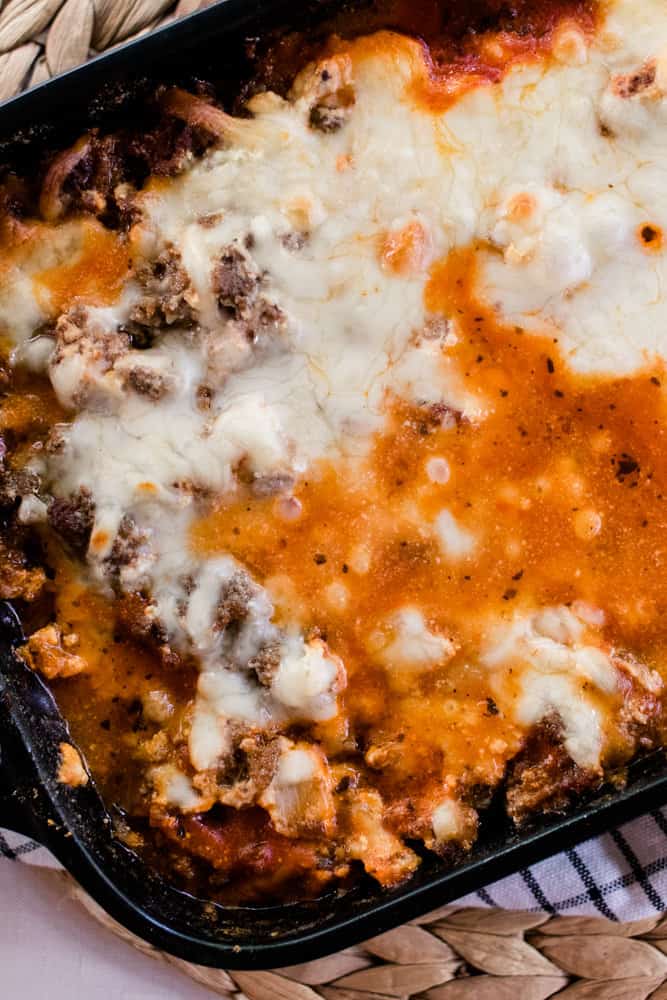
Of course! Once you roll the whole wheat pasta dough into thin sheets, you can turn it into ravioli, farfalle, pappardelle, tortellini (perfect for tortellini soup), lasagna noodles (try my dutch oven lasagna recipe), and more.
Yes, these can be made with freshly milled hard white wheat. They have not been tested with any other flour.
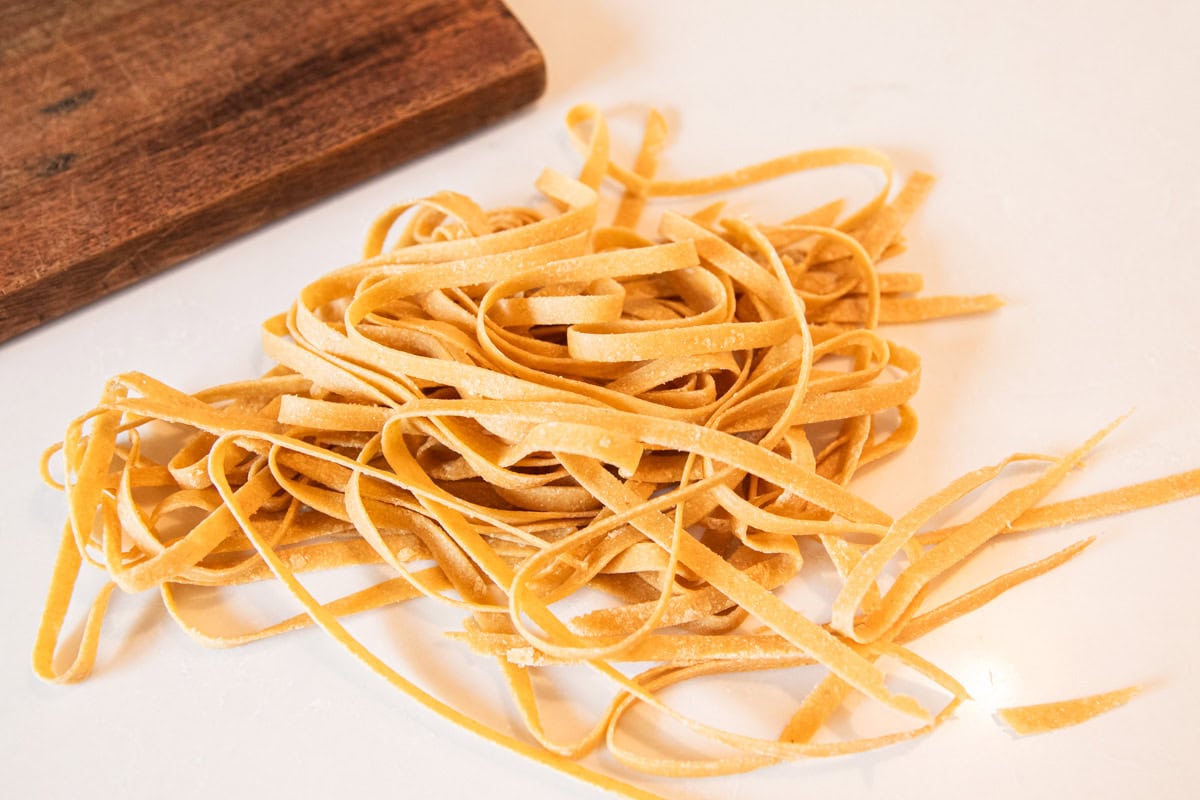
Now that you have all of my best tips, tricks, and methods for making whole wheat pasta, you will be able to make your own delicious noodles for all of your favorite meals. Happy cooking!
More Whole Wheat Recipes
- Whole Wheat Sweet Bread
- Freshly Milled Hamburger Buns
- Easy Freshly Milled Pizza Dough
- Fresh Milled Flour Bagel Recipe
If you tried this Whole Wheat Noodles Recipe or any other recipe on my website, please leave a star rating and let me know how it went in the comments below. Thanks for visiting!

Whole Wheat Noodles
Equipment
- Pasta maker optional*
- Drying rack or alternative option
Ingredients
- 2 cups whole wheat flour plus more for dusting (see notes below)
- 1/2 tsp sea salt
- 3 eggs
Instructions
- On a clean countertop, combine the flour and sea salt. Make a well in the center.
- Crack the eggs into the middle of the well. Lightly whisk the eggs with a fork, then use your hands to slowly work the flour into the eggs from the edges.
- Keep mixing and kneading until a dough starts to form. If it feels too sticky, add a little more flour as needed until the dough is soft and smooth.
- Shape the dough into a flattened round shape, cover it with a towel or bowl, and let it rest for 15–20 minutes.
- Once rested, divide the dough into about 8 pieces. Flatten each one with your hands into a rough rectangle—it should be thin enough to fit through the pasta roller.
- Feed the dough through the pasta roller, starting with the widest setting. Continue reducing the setting one step at a time until you reach your desired noodle thickness. If the dough at any time starts to feel tacky, you can lightly brush it with flour.
- Attach your pasta cutter (I used the fettuccine attachment) and run the sheets through to cut the noodles.
- Hang the noodles to dry.
Video
Notes
-
- This recipe definitely takes a little patience, especially if you’re milling your own grains. The dough has a tendency to tear or bunch up in the pasta roller if it’s too sticky, so make sure it’s well-floured and not tacky before you start.
- If you mill your own flour, this recipe has been tested with hard white wheat.
- I’ve found that running the dough through a few times on each setting really helps. Don’t rush it. Start with the thickest setting, then gradually reduce the thickness with each pass until you get the pasta just how you like it.
- If the dough does tear a little at first, don’t stress. Usually, after a few more passes, it smooths out just fine.
- *If you don’t have a pasta roller attachment for your mixer, you can absolutely roll the dough out by hand and slice it into strips with a knife.









hello! What kind of wheat berry do you use for this recipe?
Hello! I used hard white wheat berries!
I’ve had the KitchenAid pasta attachment and have always wanted to make noodles from scratch. This recipe looks like the perfect place to start. Super excited to finally give it a try!